Why Oxygen Cleaning Matters — And How Flow Safe is Expanding Its Capabilities
In oxygen service applications, cleanliness is not just about product quality — it’s about safety. In oxygen-rich environments, materials behave differently than they do under normal conditions. Even microscopic traces of oil, grease, dust, or metal particles can become ignition sources when exposed to oxygen under pressure. In extreme cases, contamination can lead to fires, explosions, equipment damage, or costly system shutdowns.
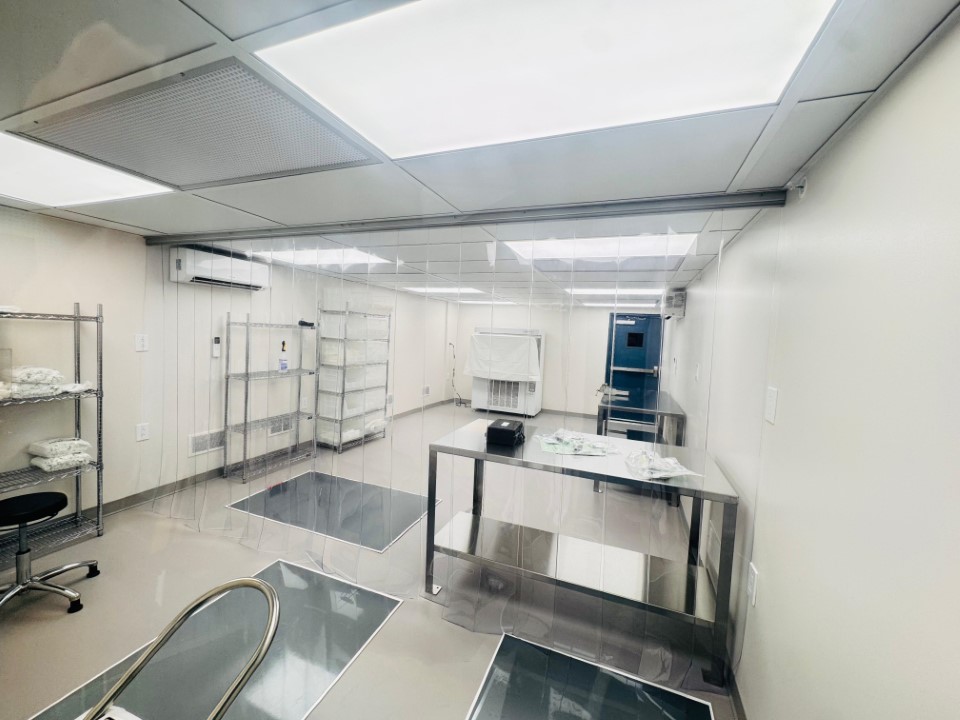
Flow Safe has been performing oxygen cleaning for pressure relief valves for decades to support critical oxygen-service applications. To further strengthen these capabilities, Flow Safe has expanded its oxygen cleaning operations with a larger, dedicated cleanroom space at its facility in Orchard Park, New York.
This enhanced facility allows Flow Safe to perform oxygen cleaning fully in-house while increasing capacity, improving workflow, and ensuring valves used in oxygen-rich environments continue to meet the highest standards for safety, cleanliness, and reliability.
Cleaning for Critical Oxygen Applications
Oxygen cleaning is significantly more rigorous than standard valve cleaning. Components must be thoroughly cleaned, inspected, and handled in controlled environments to remove all combustible contaminants.
Flow Safe’s process follows recognized industry standards including:
- CGA G-4.1
- ASTM G93
- ASTM A967
The cleanroom environment is designed to align with ISO 14644-1 cleanliness classifications (preliminarily ISO Class 7). Specialized cleaning systems, detailed inspection methods, and strict contamination control procedures ensure every valve is prepared for safe operation in oxygen service.
These valves are commonly used in critical applications such as:
- Cryogenic oxygen production plants
- Oxygen distribution pipelines
- High-pressure gas storage systems
- Hydrogen and liquid hydrogen storage and transportation
Precision Cleaning, Inspection, and Packaging
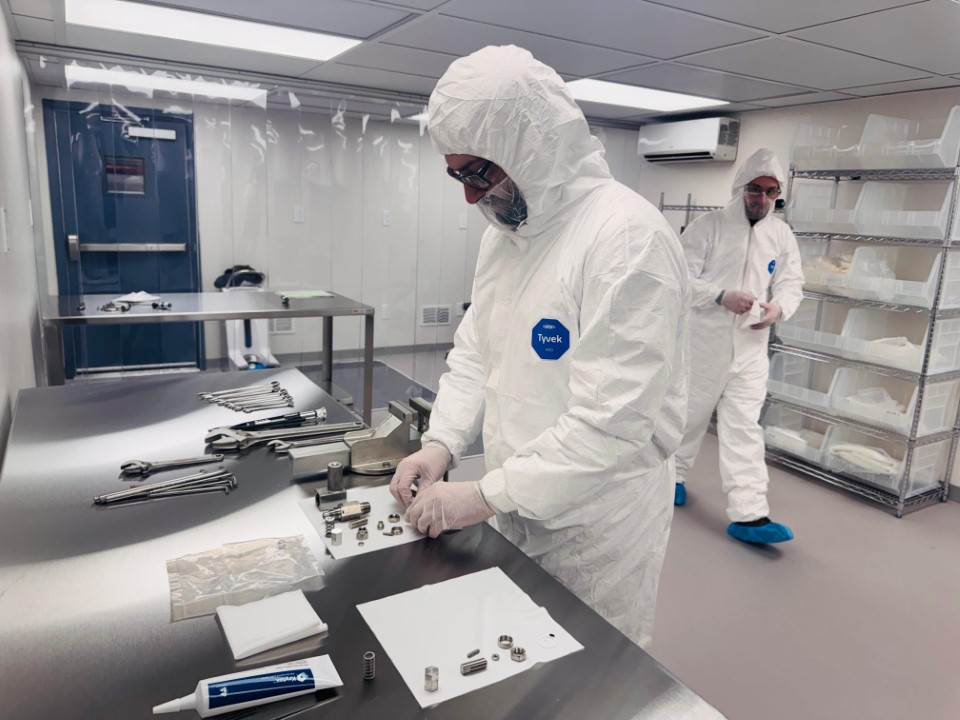
Within the expanded oxygen cleaning room, Flow Safe’s specially trained and authorized technicians use controlled procedures and equipment to perform oxygen cleaning in accordance with strict contamination control practices and documented cleanroom protocols, ensuring every valve meets required safety and cleanliness standards. The process includes advanced cleaning and inspection methods such as:
- Ultrasonic heated cleaning systems
- Controlled rinsing processes
- Oil-free compressed air drying
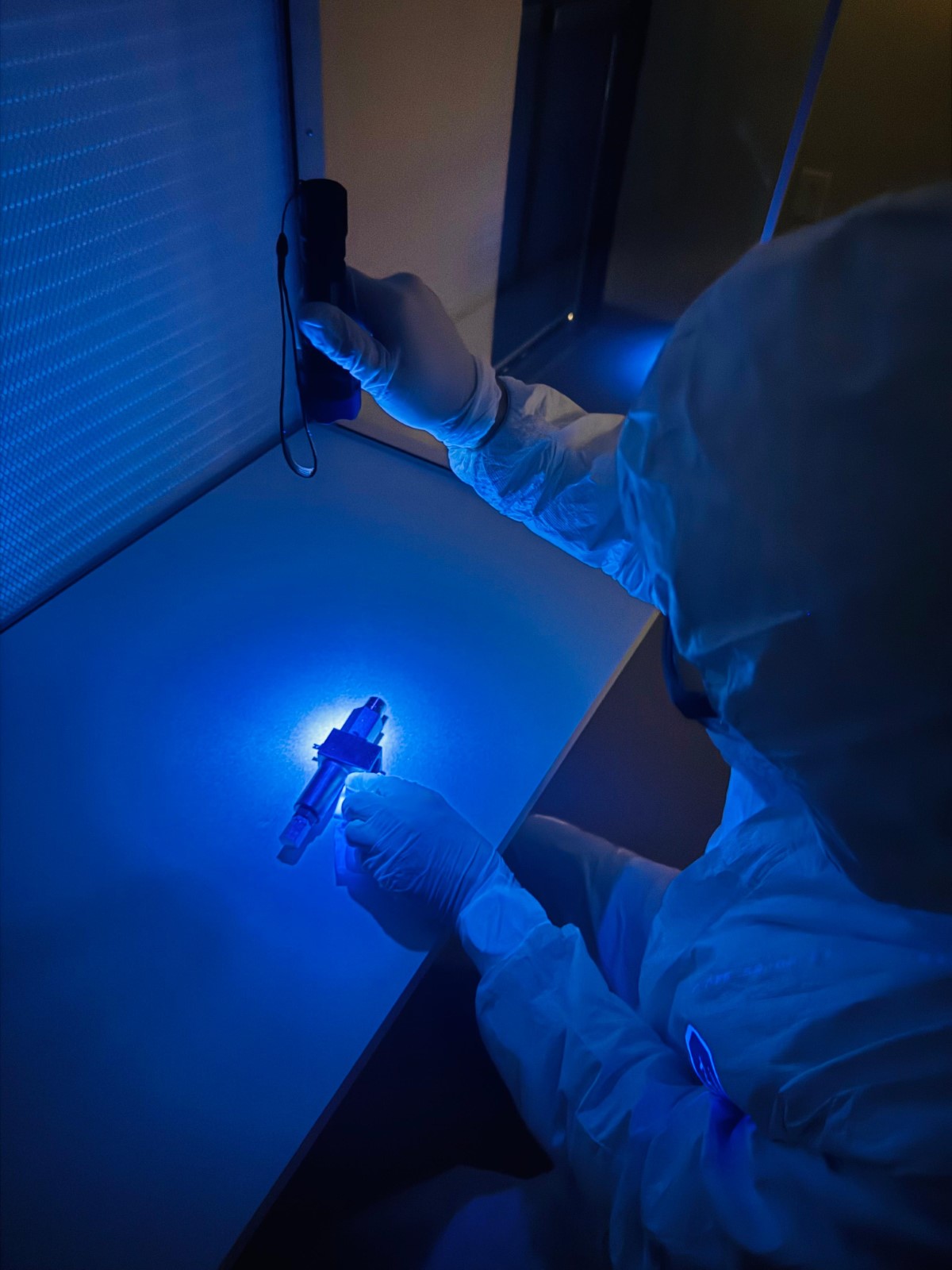
- White light and UV inspection for microscopic contaminants
Once cleaned, valves are carefully protected to prevent contamination during storage or shipment. Components are sealed with pre-cleaned caps or plugs and double bagged in clean polyethylene packaging. Larger valves receive additional protection including flange covers, oxygen-clean tape, and clear labeling.
Every valve is shipped with an O₂ Clean certification tag, ensuring customers know the valve has been prepared for safe use in oxygen-rich environments.
Safety, Reliability, and Faster Turnaround
By expanding its oxygen cleaning facility, Flow Safe has strengthened its ability to support customers with faster turnaround times and greater production capacity. Performing oxygen cleaning entirely in-house allows the company to maintain tight quality control, reduce reliance on external vendors, and ensure every valve is cleaned, inspected, and packaged according to strict oxygen-service standards.
This investment builds on decades of expertise while positioning Flow Safe to support growing demand across industries such as aerospace, industrial gas production and distribution, hydrogen energy infrastructure, food and beverage processing, and high-purity laboratory environments.
As demand for high-performance, contamination-free systems continue to grow, Flow Safe remains focused on delivering solutions that help customers operate systems more safely, reliably, and efficiently — where precision and cleanliness are essential.