National Water Quality month offers a time to reflect on the struggles municipalities face dealing with an outdated infrastructure. With aging lead and galvanized service lines topping their list of concerns, cost is not the only challenge they face. The time constraints of replacing service lines is also a major concern.
While the U.S. Environmental Protection Agency (EPA) has set a 10-year deadline for most water systems to replace aging lead services line, a single line can take a day or two to replace using traditional trenching methods making even this deadline difficult to manage.
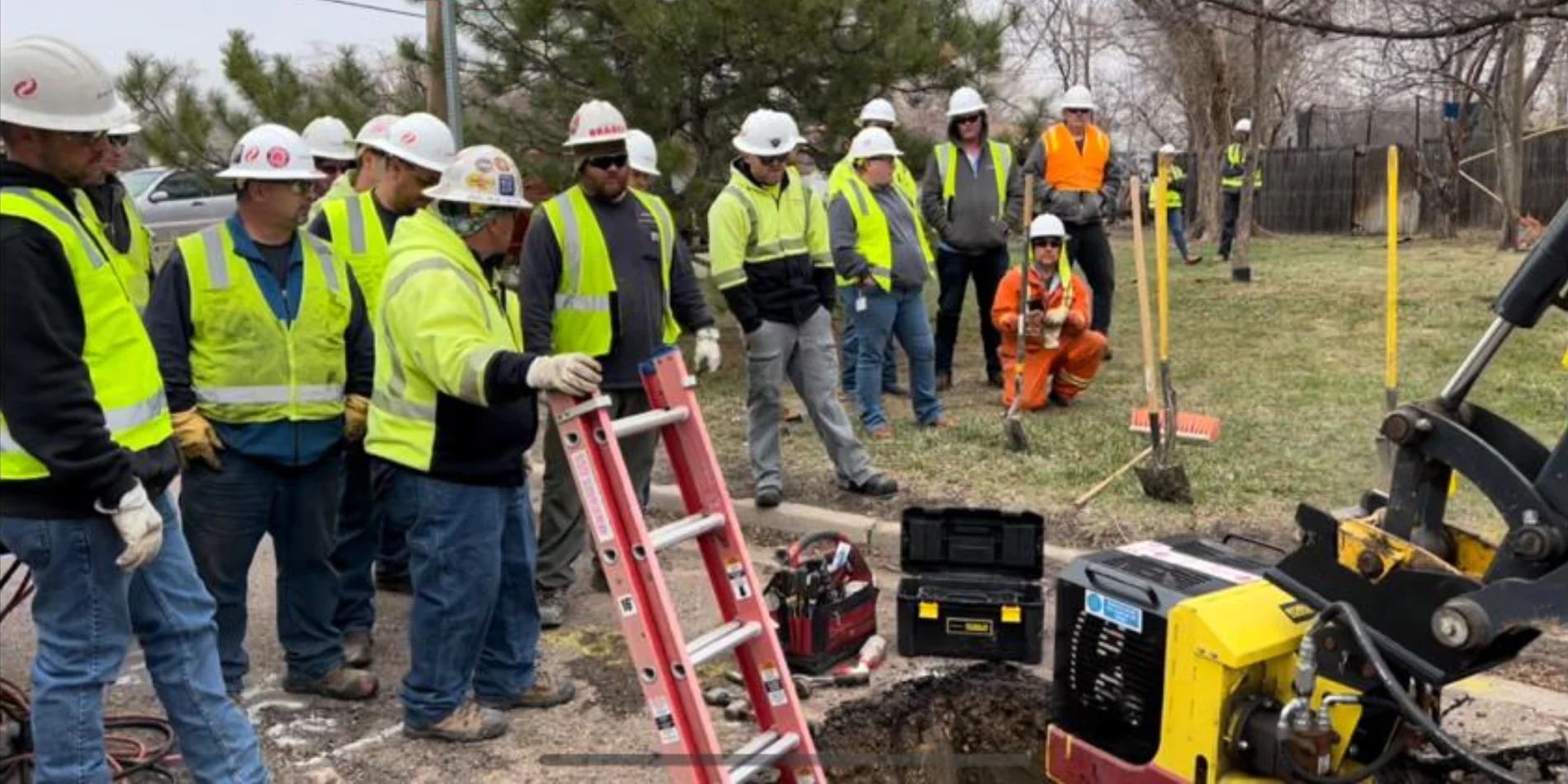
With trenchless technology, the Kobus Pipe Puller can help ease this burden. A typical KPP400 workflow looks like this:
- Locate and expose connection points with small pits at the curb stop and meter or at appropriate launch/receive locations.
- Attach the old service to the KPP400 using the male/female spool system and appropriate cable and tooling.
- Connect the new copper or plastic service to follow behind the extraction.
- Use the excavator’s auxiliary hydraulics to deliver controlled pulling force up to 45,000lb.
- Complete the pull (up to 80 feet), connect to fittings, pressure test, disinfect as required, and backfill.
- Restore small surface cuts rather than full-length trenches and return the service to operation.
This process supports a higher services-per-day rate than open-cut in many scenarios, especially where restoration and traffic control would otherwise dominate the schedule. The KPP400 was designed to deliver production-grade lateral replacements with fewer steps and less disruption. And now it is making lead pipe replacement deadlines feel more realistic.